
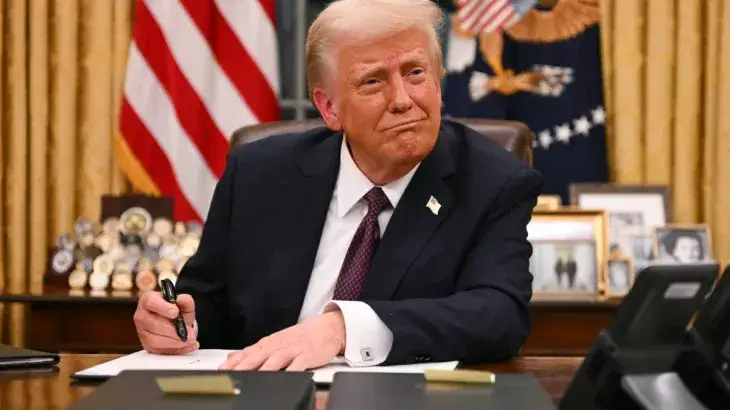
Trump’s 10-Day Ultimatum: Iran’s Bid To Prevent An Energy Crisis
A fragile standoff in the Gulf is escalating quietly as oil routes tighten and diplomacy strains. With a critical deadline approaching, the risk of a sudden global energy shock is rising fast.
DATE
AUTHOR
READING TIME
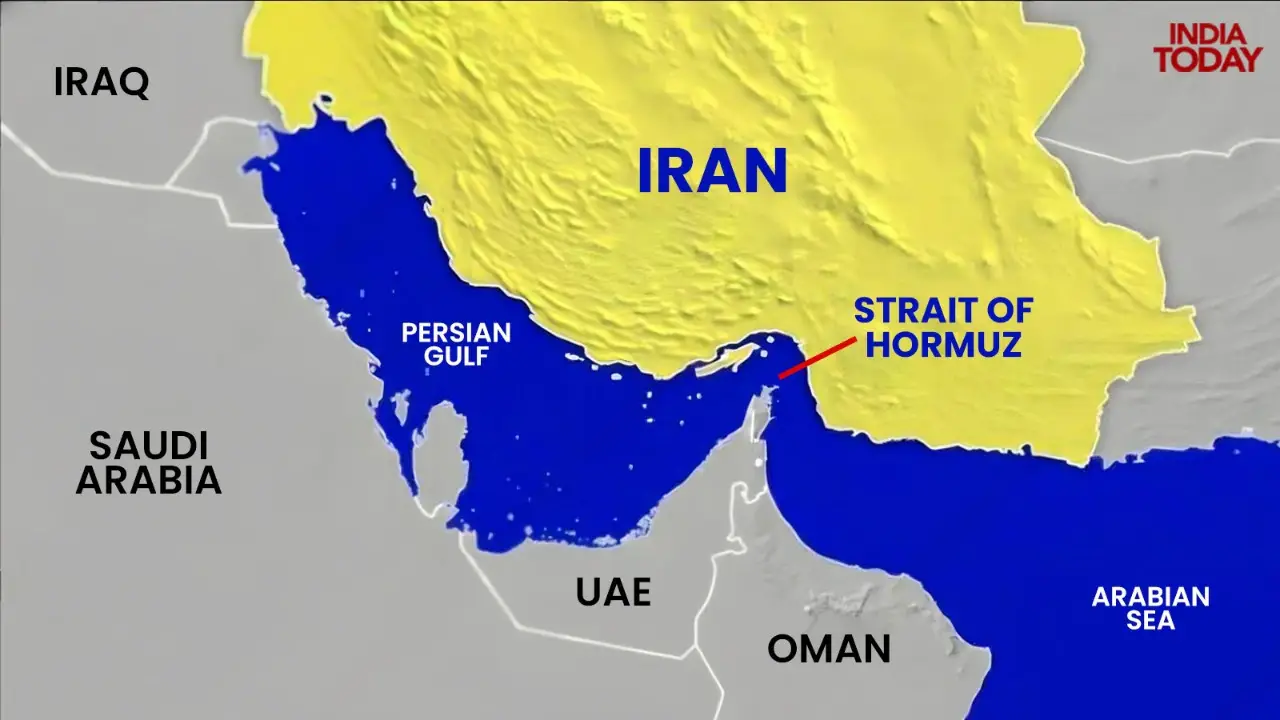
Global energy markets are entering a dangerous phase. Tensions between the United States and Iran are no longer just political—they are directly affecting oil supply, pricing, and global stability. At the center of this crisis is a deadline set by Donald Trump, demanding that Iran reopen the Strait of Hormuz or face potential strikes on its energy infrastructure.
This moment matters because the Strait of Hormuz is not just another shipping route. It is the most critical oil chokepoint in the world, carrying around 20 million barrels of oil per day. That represents nearly a quarter of global oil trade. Any disruption here immediately affects global markets, pushing prices higher and creating uncertainty across industries.
Iran’s response has been complex and strategic. While publicly rejecting external pressure, it has quietly allowed limited tanker movements through the strait. These actions are widely seen as signals of willingness to de-escalate without appearing weak. This dual approach—defiance in public and flexibility in private—reflects a broader strategy to maintain leverage while avoiding direct confrontation.
Behind the scenes, diplomacy is playing a crucial role. Countries like Pakistan, along with Egypt and Turkey, are facilitating indirect talks between both sides. These backchannel negotiations allow progress without public commitments, giving each side room to maneuver. In many ways, these quiet discussions are more important than the public statements dominating headlines.
However, the risks remain extremely high. If negotiations fail, the United States could move forward with strikes targeting Iran’s power grid and energy facilities. Such an attack would have immediate consequences within Iran, potentially causing widespread blackouts and disrupting essential services like water supply, healthcare, and communications. Millions of civilians would be directly affected.
The impact would not stop there. Iran has made it clear that it would retaliate against U.S. and allied infrastructure in the region. This could include attacks on oil facilities and shipping routes across the Gulf. Because global energy systems are deeply interconnected, even a limited escalation could trigger a wider chain reaction, affecting supply far beyond the Middle East.
The global economic consequences would be severe. A prolonged disruption in the Strait of Hormuz could remove millions of barrels of oil from the market. Prices could surge well beyond $150 per barrel, driving up fuel costs, increasing inflation, and slowing economic growth worldwide. Industries dependent on energy—transport, manufacturing, and aviation—would feel the pressure immediately.
This situation has drawn comparisons to the 1973 oil crisis, but the scale today is significantly larger. In 1973, coordinated supply cuts led to global economic shock. Today, a single chokepoint disruption could have an even greater impact due to higher demand and tighter global supply chains. Modern markets also react faster, amplifying volatility through algorithmic trading and real-time data flows.
Despite the tension, there are still signs of restraint. Deadline extensions and limited tanker movements suggest that both sides are trying to avoid full escalation. These signals indicate that while the situation is serious, there is still space for negotiation. However, that window is narrowing quickly.
The coming days will be critical. A diplomatic breakthrough could stabilize markets and restore confidence. Failure, on the other hand, could trigger one of the most significant energy disruptions in modern history. Governments, businesses, and investors are watching closely, preparing for both outcomes.
This is not just a regional conflict—it is a global risk. Energy is the foundation of modern economies, and any threat to its flow has far-reaching consequences. As the deadline approaches, the world faces a simple but urgent question: will diplomacy hold, or will the system break under pressure?
AUTHOR
It is unclear if this is an exaggeration or a specific threat about a force level or weapon.
READING TIME
Hello